 Implementing Organizational Purpose through Theory of Change (ToC) | Sasae Foundation
Theory of Change (ToC) Program
Through ToC, your organization's purposebecomes everyone's own words.
ToC is a way for the whole organization to draw together where it wants to be and the path to get there. Discuss as one organization and build consensus. A "place to return to" when you are unsure can be in your hands in as little as 3 to 12 months.
Your organization may hold treasures you have not yet noticed. Through creating a Theory of Change, let's talk together and turn your intangible assets into strategy.
Do any of these sound familiar?
- We have stated a purpose or philosophy, but it has not taken root on the front lines.
- Ask "what is our organization for?" and members cannot give the same answer.
- We want to contribute to our community but are unsure how to start.
- Morale is low and staff do not stay.
- Operations are chaotic and work is scattered.
- As a risk measure, we want to plan the organization beyond its charismatic founder.
- Compared with big cities or large companies, we feel we have little information and support.
Theory of Change
What is Theory of Change?
A Theory of Change (ToC) is a methodology for designing the conditions and actions needed to reach the ultimate change your organization wants to see, working backward from that goal. It was developed in nonprofit organizations and impact investing in Europe and the United States, and in Japan it is beginning to spread as a standard for impact investing and grant evaluation.
In creating a ToC, we first identify the "structural problem": why the issue arises and what the root causes are, articulated by all members together. Next we describe the "ultimate outcome," the ideal state of change in society, and work backward to build up the "long-term outcomes" and "short-term outcomes."
Through this dialogue, the organization's "intangible assets" come to light. Expertise accumulated over many years, trust with the community, networks, and culture: none of these appear in financial statements, yet they are your organization's unique strengths. A ToC is the blueprint that turns them into strategy.
Once completed, the ToC becomes a "place to return to" when you face difficult decisions. When all members share one map, daily decisions become consistent, and it can be used to explain your work to others.
Three features
Why organizations choose our ToC support
01
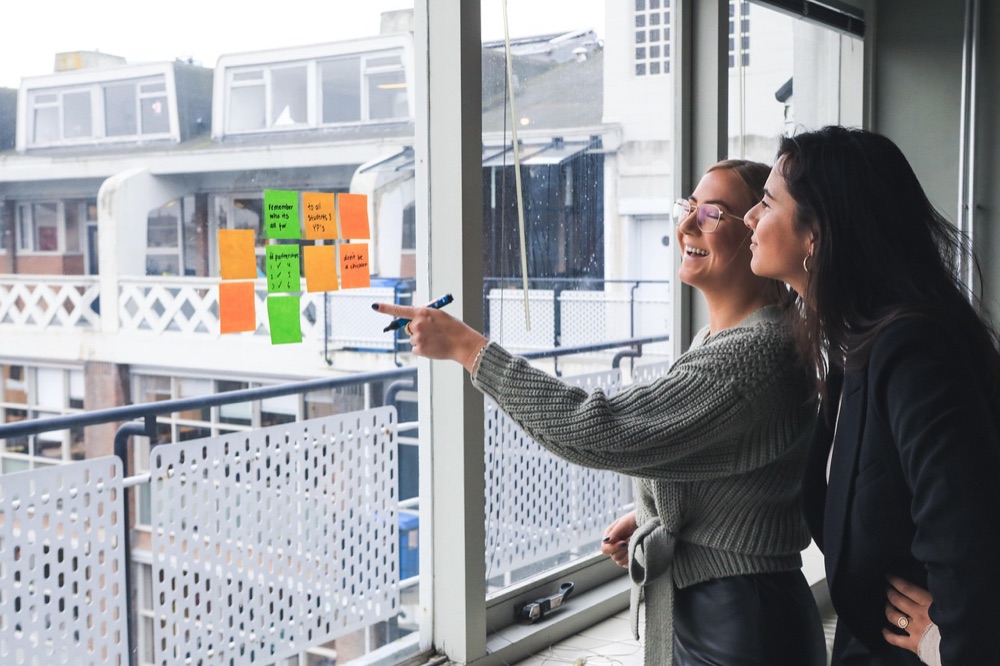
Dialogue-based facilitation
Not a proposal handed to you, but something we create together.
Consultants do not bring the answers. Through repeated dialogue between leaders and staff, we draw out the value the organization already has. A ToC begins with everyone gathering in one room to face a set of questions. The facilitator poses the questions and prepares the space. The answers are within your team.

02
Discovering and confirming intangible assets
Value that was invisible becomes a source of strength.
Technical knowledge built up over the years, trust in the community, the experience and networks of staff: these do not appear in financial statements, yet they are real assets. Through ToC dialogue, we discover them, put them into words, and use them as the starting point for strategy. Organizations that feel they "have no strengths" often have many dormant assets.

03
A ToC as a place to return to
A map for when you are lost or unsure.
You can return to the fundamental question: why do we exist, and where are we going? At the medical corporation Taidaikai, the completed ToC was made into a poster and displayed throughout the clinic. "This is why we are here." We will build, together, a way to remind everyone of that every day.
Case studies
ToC in the field
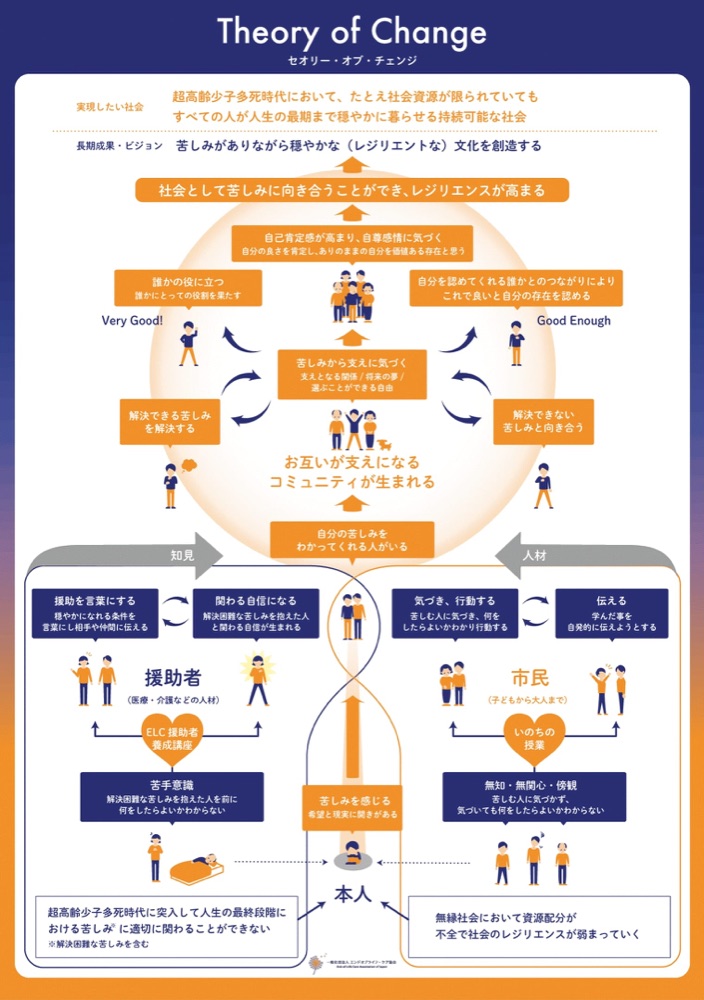
General Incorporated Association End of Life Care AssociationTokyo
小澤 竹俊, Representative Director
Through about one year of dialogue, the worldview of "the final stage of life" was put into words and diagrammed as a ToC. After completion, understanding grew among private companies and society, and the ToC led to grants and management support.
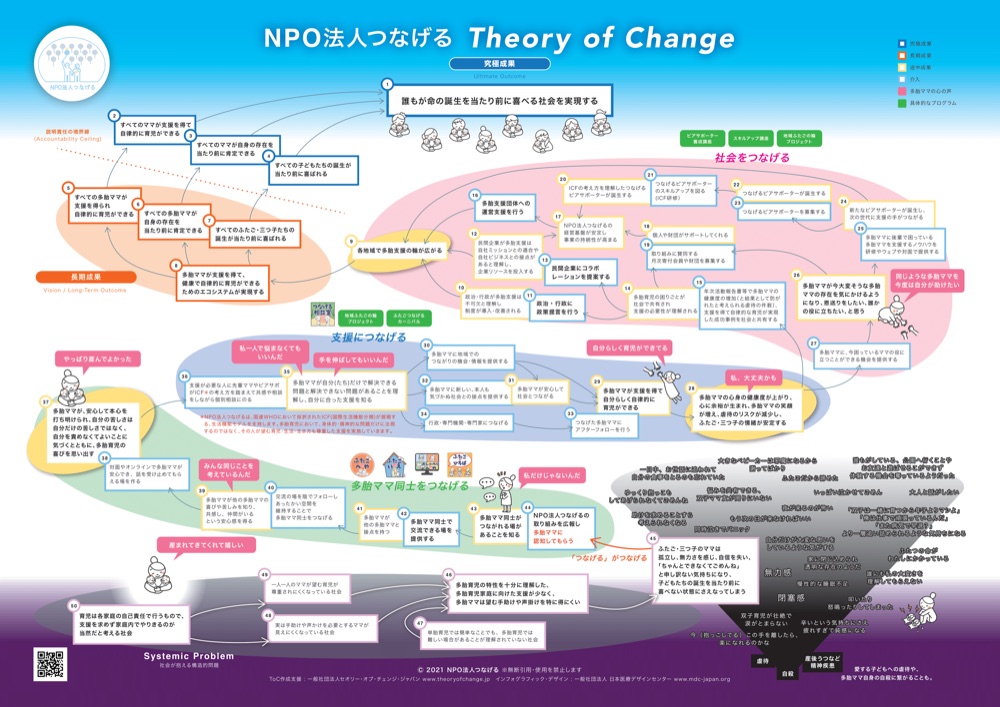
NPO TsunageruHyogo Prefecture
中原 美智子, Representative Director
The worldview of parenting multiples was put into words with a tree-type ToC, and the voices of multiple-birth mothers were included in the diagram. Using the ToC in daily operations made the organization's direction and communication clear.
General Incorporated Association Japan Medical Design CenterKanagawa Prefecture
桑畑 健, Representative Director
This organization has pioneered medical design, a field still at an early stage in Japan. In 2021, together with its leaders, it created a ToC to organize its diverse activities and envision the future it aims for.
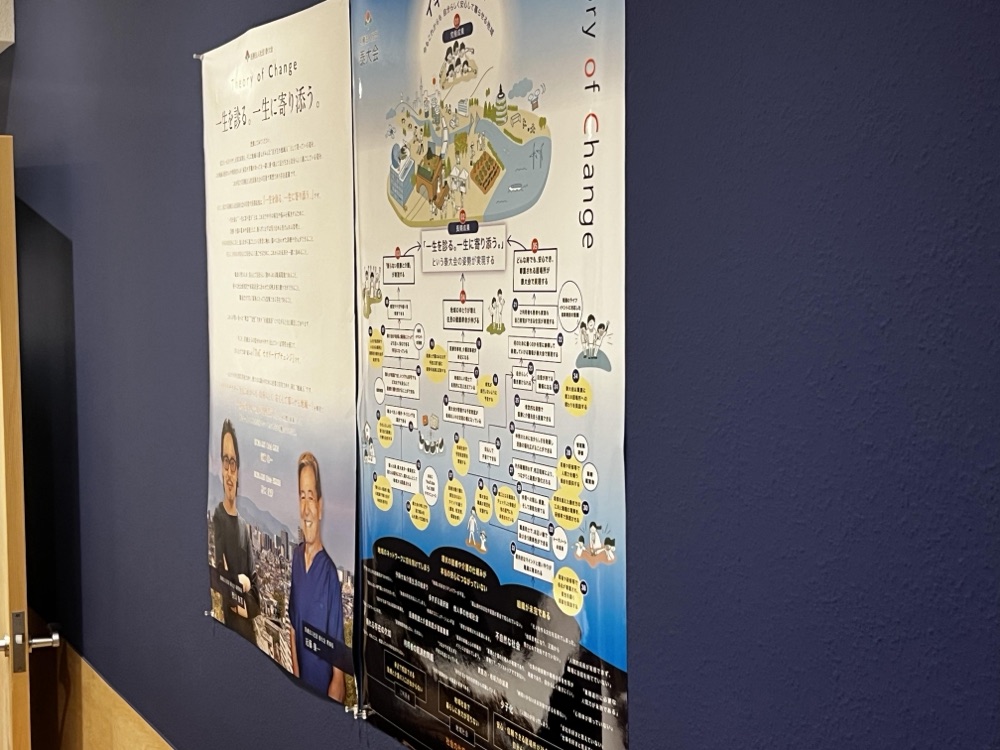
Medical Corporation TaidaikaiTokyo
野口 泰芳, Chairperson
Facing the succession to a second-generation chair, the organization wanted to clarify "the management philosophy unique to Taidaikai," and worked on a ToC over one year from 2021.
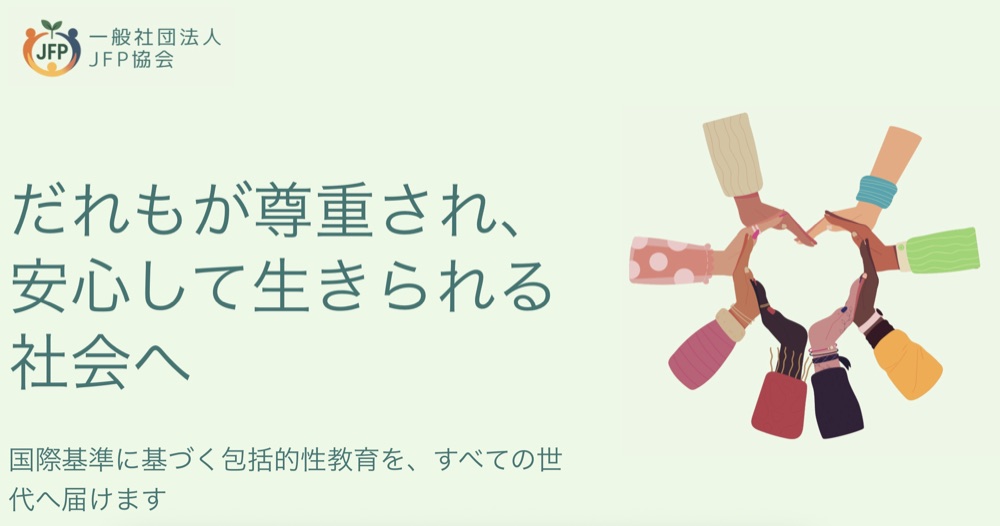
General Incorporated Association JFP AssociationTokyo
尾形 愛実, Representative Director
The complex social issue of comprehensive sexuality education was made visible through a ToC. Built on "respect for the individual," which emerged in the workshop, the work led to a logo and website renewal and a new corporate training business.
Methodological background
Tree-type ToC featured in publications
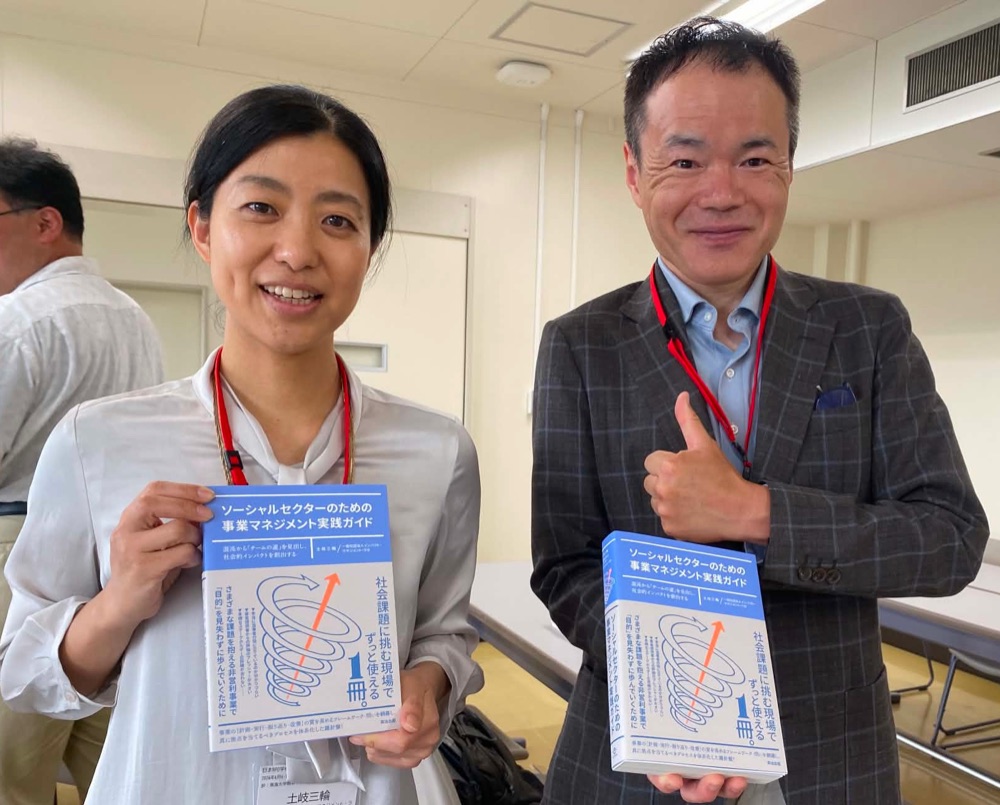
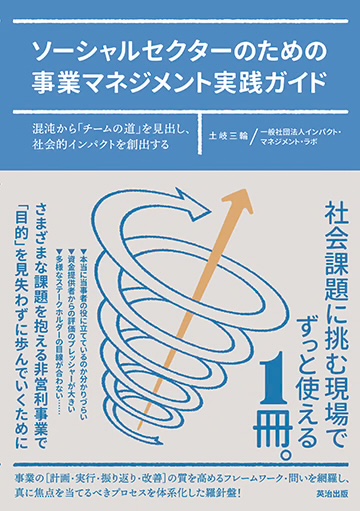
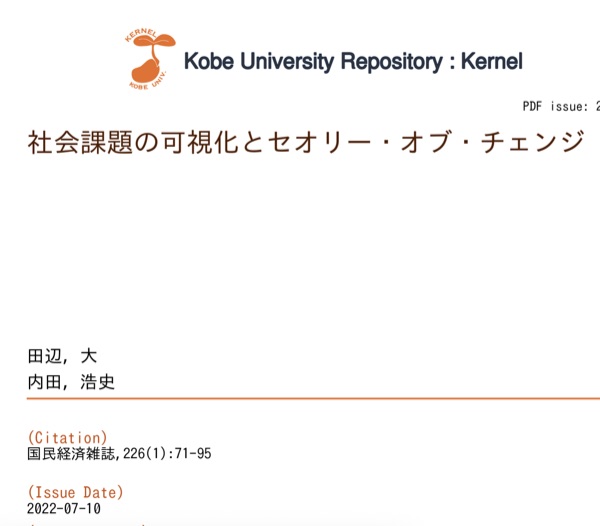
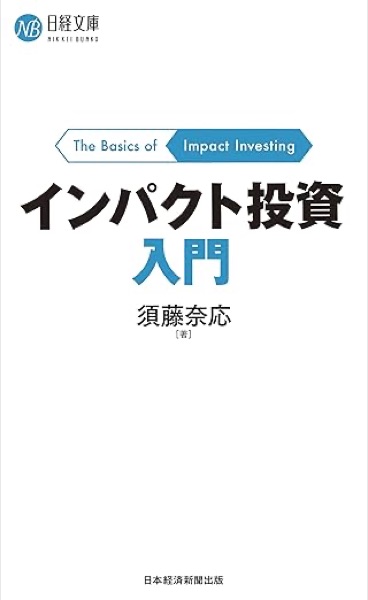
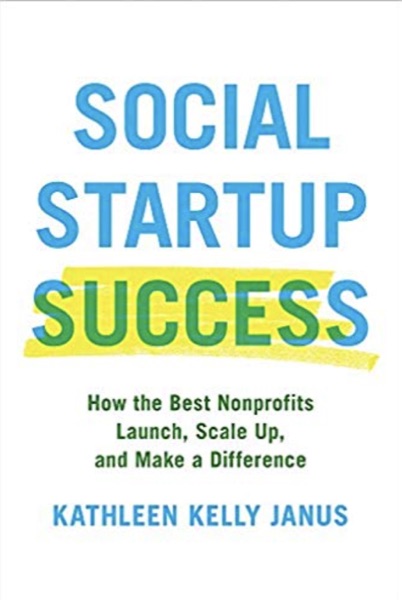
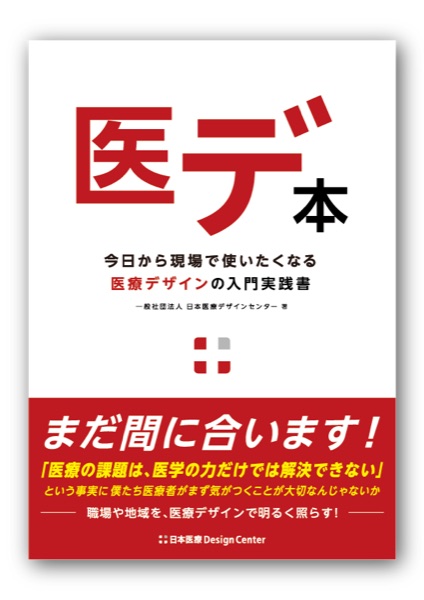
We have agreed with ActKnowledge (USA) to promote tree-type ToC in Japan. Its clients include The Rockefeller Foundation, Oxfam, and United Way.
ActKnowledge website →Effects of introducing ToC
Five changes that happen in organizations
01
Communication between leaders
and staff improves
By facing the fundamental question "why are we here?" together, expectations and candid feelings that were never voiced come to the surface. That dialogue becomes the foundation of communication.
02
Purpose (raison d'être)
is discovered
Your organization's true purpose is not one imposed from above, but words that naturally emerge from dialogue. They are words everyone can recognize as "yes, that is us."
03
Intangible assets become
tangible assets
When hidden strengths are put into words, they become messages for recruitment, explanations for stakeholders, and the basis of grant applications. Seeing what was invisible is the essence of the change.
04
Management decisions
become easier
"Does this fit our ToC?" becomes a criterion for decisions. Changes of direction, entering new businesses, and partnership decisions can all be checked against the ToC as a map.
05
Relationships with the community
deepen
Putting your purpose into words makes it easier to explain your work to the community: from "I don't know what they do" to "that organization works with this conviction." With the right words, relationships grow.
Process
We create your ToC together in seven steps
- 01
 Free consultation (30 minutes)
We listen to your current challenges and judge together whether ToC suits your organization. You are welcome even if you are not yet sure what ToC is.
- 02
 Kick-off meeting (Workshop 1)
We confirm how the process will run: who participates, how often we meet, and what goal we set. We design it around your organization's situation.
- 03
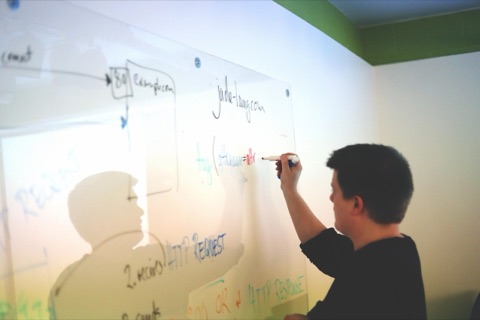 Articulating the structural problem (Workshop 2 onward)
We probe into why the problem happens. The task is to find the root causes, the structural problems, rather than the surface symptoms.
- 04
 Designing the ultimate and long-term outcomes (Workshop 3 onward)
We describe the future you want to create. Working backward from the change you hope to see 10 to 20 years from now (the ultimate outcome), we articulate what must have changed 5 to 10 years from now (the long-term outcome).
- 05
 Defining interventions and outcomes (Workshops 4 to 5)
We design what you will do and what will change as a result. The whole team verifies the logic of how the organization's activities (interventions) lead to the long-term outcomes.
- 06
 Setting measurable targets and summarizing (Workshops 6 to 7)
We decide the indicators for measuring outcomes and bring everything together into one ToC. We make the completed ToC into a clear visual so it can keep serving as your organization's map.
- 07
 Ongoing support
We continue to support you after completion: regular reviews, using the ToC in grant applications, and explaining it to stakeholders. Completion is the starting line.
From as little as 3 months; typically 6 months to 1 year, adjusted to your situation. Fees vary by the size and scope of the organization. The first consultation (30 minutes) is free. After we hear about your situation, we provide an estimate.

Organizations for which purpose development through ToC is a good fit
- Medical, nursing care, and welfare corporations (succession, recruitment and retention)
- NPOs and general incorporated associations (grant applications, explaining to stakeholders)
- Small and medium-sized enterprises (implementing purpose-driven management, recruitment and retention)
- Locally rooted organizations (building community relationships, branding)
- Organizations and teams working on social issues
Board and advisors
Our team
Board of directors
田辺 大
Representative Director / Existence-Purpose Consultant
山本 樹
Director / Business Owner
金田 雅
Director / Woman Entrepreneur
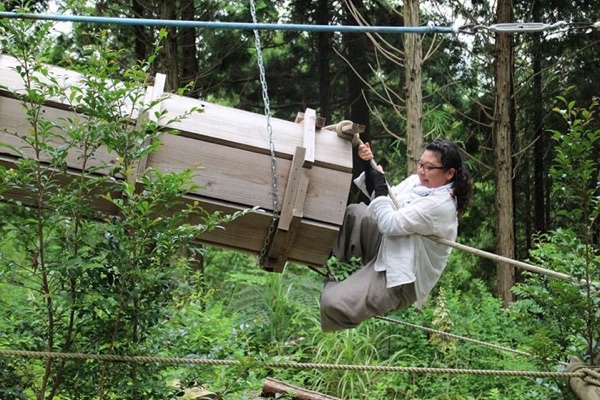
佐藤 則子
Director / Researcher on Community Self-Governance
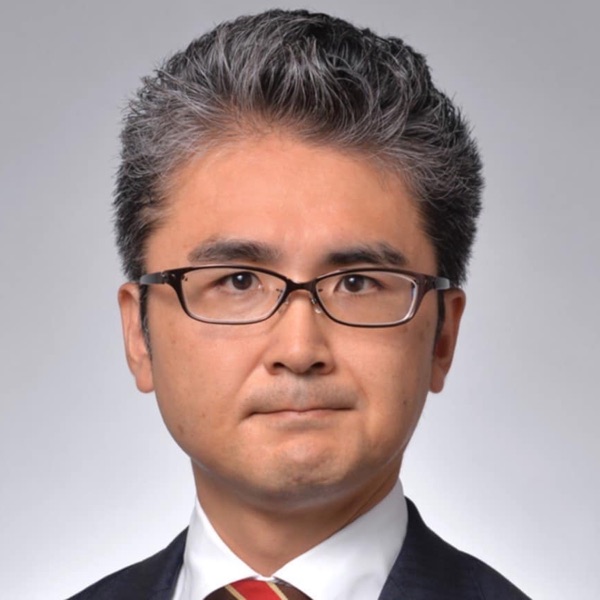
古澤 哲也
Auditor / Certified Public Accountant
Councillors
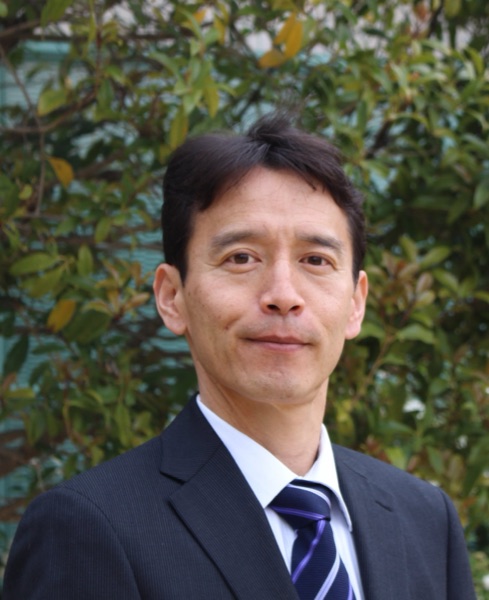
内田 浩史
Professor, Graduate School, Kobe University
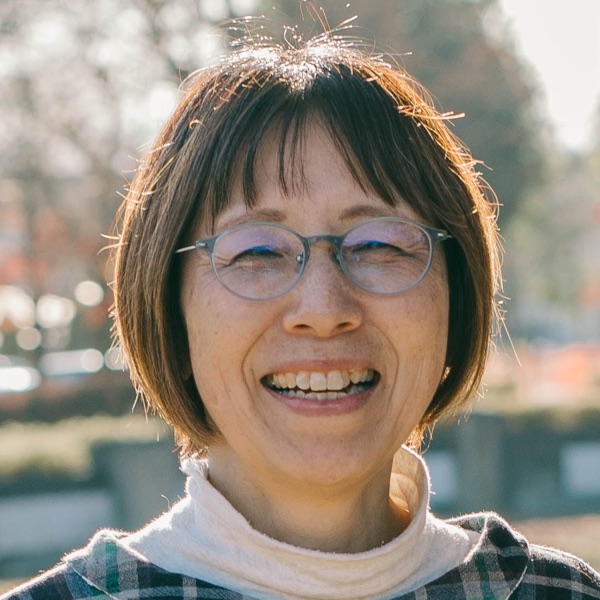
阿部 今日子
Managing Director and Secretary General, Nagano NPO Center (Certified NPO)
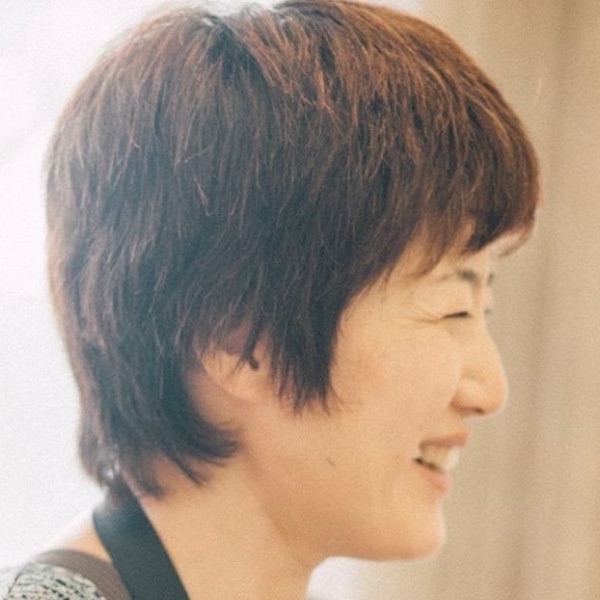
会津 順子
Editorial Director
Advisors
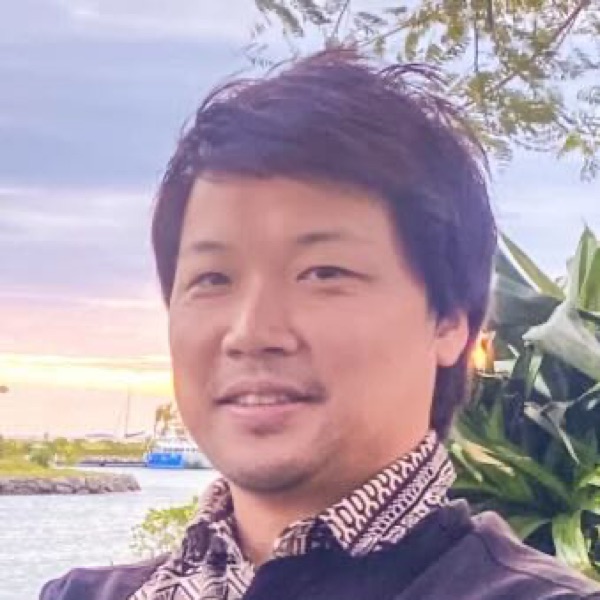
川上 晃史
Social Entrepreneur (based in Fiji)
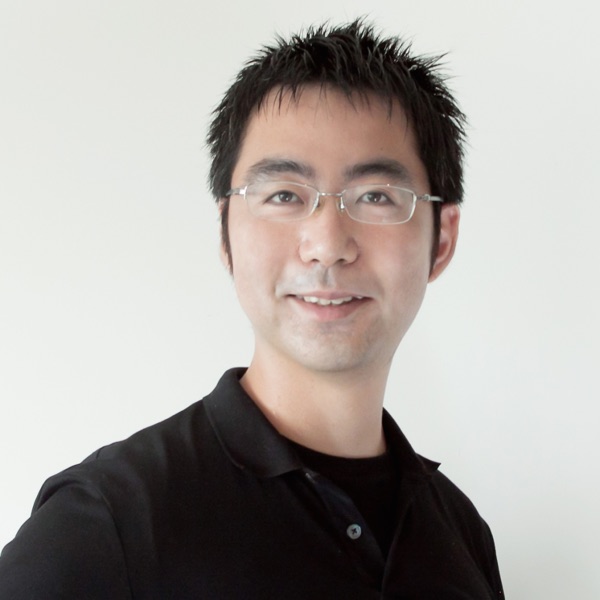
西村 勇哉
Social Entrepreneur
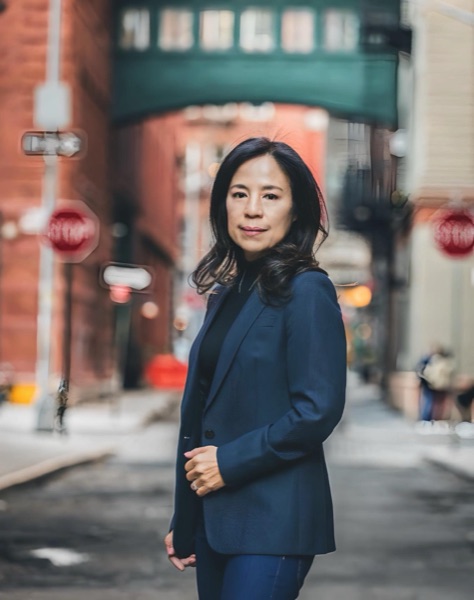
西本 会里子
Social Entrepreneur (based in New York)
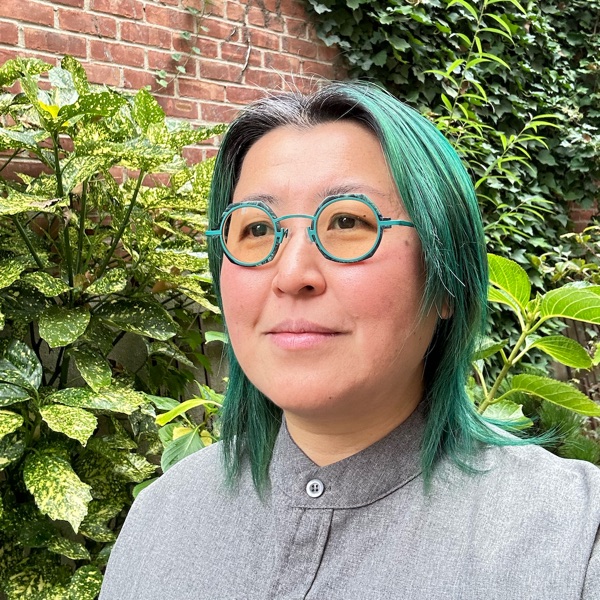
寺田 和美
Social Entrepreneur (based in New York)
Frequently asked questions
FAQ
What is ToC?
ToC (Theory of Change) is a methodology in which an organization defines the ideal future it wants to see (the ultimate outcome) and, through dialogue, describes the path to reach it. Starting from the structural problem, it designs long-term and short-term outcomes by working backward. It was refined in nonprofit organizations and impact investing in Europe and the United States, and is beginning to be adopted in Japanese organizational management. It is not merely a plan document; it is a process in which the whole organization puts its purpose into words and shares it.
What kinds of organizations is this suited to?
Any organization that feels it wants to put its purpose into words can work with us, regardless of industry or size: for example, medical corporations and small companies facing a succession, organizations struggling with recruitment and retention, companies that want to truly implement purpose-driven management, and nonprofits working on local issues. Medical, nursing care, and welfare corporations, NPOs and general incorporated associations, locally rooted organizations, and companies working on social issues are especially compatible.
How long does it take, and what does it cost?
It depends on the organization's situation and size. Engagements typically run from as little as 3 months, usually 6 months to 1 year. Fees also vary by the size and scope of the organization. The first consultation (30 minutes) is free. After we hear about your situation, we provide an estimate.
Can the work be done online?
Yes, we can work online using Zoom and similar tools. We receive many inquiries from organizations in regional areas and overseas. However, we recommend holding the first workshop in person. A hybrid of in-person and online sessions is also possible.
Does the support end once the ToC is created?
No. We also provide ongoing support after completion. A ToC is not finished when it is written; it is reviewed regularly as the organization changes. We support you on the premise that the completed ToC will keep serving as a map for daily management decisions. We accompany you in many situations, including grant applications, recruitment, and business planning.
Why can't we create a ToC on our own?
Technically, you can. However, from inside an organization it becomes hard to question assumptions that feel obvious. When an external facilitator poses the questions, intangible assets and inherent strengths that had not been visible often come to light. Creating a ToC on your own tends to stay within the existing framework.
How can a completed ToC be used?
It can be used in many situations: recruitment and retention (putting your organization's value into words), succession (passing on the philosophy to the next generation), explaining to stakeholders, grant applications, and staff training. At the medical corporation Taidaikai, it is displayed as a poster in the clinic and used daily to align the team. At the Japan Medical Design Center, a vision drawn in a ToC became reality three years later.
Can a ToC be used in grant applications?
Yes. In the United States, submitting a logic model (a diagram showing the relationship between an organization's resources, activities, and outcomes) has long been widely required in grant applications. In the United Kingdom, some grant-making foundations ask applicants to explain their ToC. In Japan too, grant foundations have increasingly come to request a ToC as part of application documents. We also accept requests for ToC creation support for grant applications.
Why does Sasae Foundation provide ToC support?
We are a foundation that delivers training, grants, and management support together, built on the concept of "social principal." Drawing out and developing an organization's purpose is at the center of our work, and ToC is one of the most effective methods for doing so. We have also agreed with ActKnowledge (USA) to promote tree-type ToC in Japan, so the method rests on a solid basis.
Is support available in English?
Yes. We have an international network that includes advisors based in New York and Fiji, and we can support organizations overseas and in East Asia in English. We also work with ActKnowledge (New York), a founding organization of the ToC approach. English-language support is arranged separately, so please contact us.
Organization overview
About the operating organization
| Name | Sasae Foundation (General Incorporated Foundation Yume Toshi Foundation) |
|---|---|
| Website | This site is dedicated to our ToC services. Foundation website: https://sasae-fdn.org |
| Representative Director | 田辺 大 |
| Established | April 3, 2025 (Reiwa 7) |
| Background | Established with the support of 187 people through a crowdfunding campaign (199 units) ( readyfor.jp/projects/ytz2025 ) |
| Supporting members | 75 (as of January 2026) |
| Endowment | 3 million yen |
| Address | 〒395-0067 2F, Naribai Office Iida, 978-4 Hanba-gongen, Iida City, Nagano Prefecture, Japan |
| Corporate number | 1100005013333 |
| Banking partners | 飯田信用金庫本店、八十二銀行飯田支店、楽天銀行第三営業支店、三井住友銀行トランクNORTH支店 |
| Memberships | Iida Corporate Association (飯田法人会), Iida Chamber of Commerce and Industry (飯田商工会議所) |
| Partner organizations | BLP-Network, Accountability for Change |
Press release
Media coverage
Honest dialogue from the first meeting: a ToC workshop identifying organizational purpose from structural issues, held at a retreat hosted by the Kawasaki City Industrial Promotion Foundation
Read the press release →Start with a consultation
Whatever your organization's size, and even if you are not sure ToC is right for you, please feel free to get in touch. The first consultation (30 minutes) is free.